Responsible Care
Be the Friend Your Dog Needs
Love is what you do every day
Food, water, safety, patience, health care and time. These are not extras—they are the foundations of a good life together.
Care changes as a dog grows older or their circumstances change. Build a plan that fits the individual in front of you, with veterinary advice when needed.
Start Your Care Checklist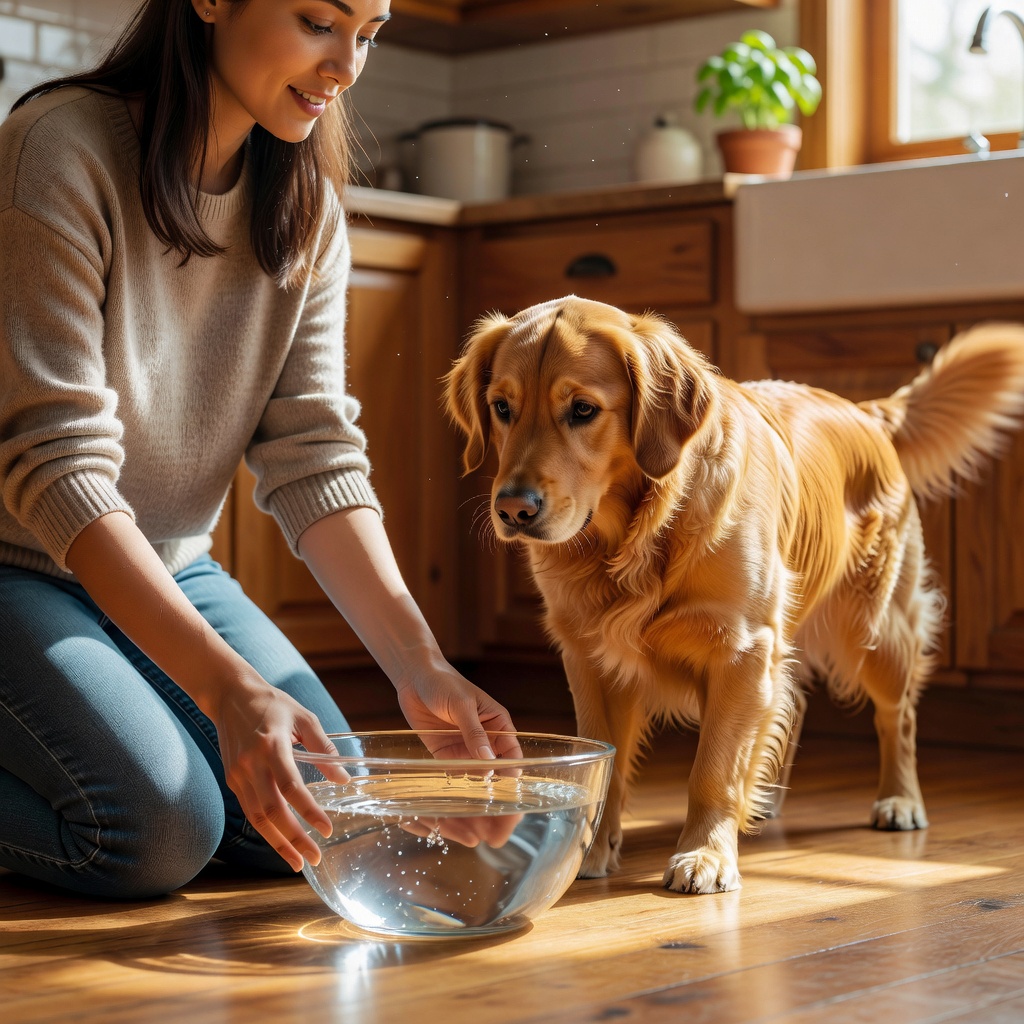
Budget beyond the basicsPlan for changing needsKeep a backup carer
The everyday essentials
A useful starting point for a conversation with your vet and your household.
Daily comfort
- Provide fresh water and a suitable, nutritionally complete diet.
- Offer regular toilet opportunities and clean up after your dog.
- Balance appropriate exercise, enrichment and uninterrupted sleep.
- Provide a comfortable resting place and protection from heat and cold.
- Check that your dog is eating, drinking and behaving as usual.
Health and handling
- Arrange veterinary checks and an individual preventive-care plan.
- Discuss vaccination, parasite control and dental care with your vet.
- Introduce grooming and handling gently, using rewards and pauses.
- Monitor nails, coat and body condition; ask for help if unsure.
- Keep veterinary contacts and relevant health records accessible.
A safer household
- Secure medicines, cleaning products and foods unsafe for dogs.
- Check fences, doors, gates and walking equipment.
- Supervise children and dog interactions; provide separate spaces.
- Use safe transport arrangements and never leave a dog in a hot vehicle.
- Maintain identification and follow local licensing and lead requirements.
Long-term reliability
- Budget for food, equipment, grooming, training and veterinary care.
- Consider suitable insurance or a realistic emergency fund.
- Arrange dependable cover for work, travel or illness.
- Share care instructions with anyone looking after your dog.
- Review the plan when your dog’s health or your routine changes.
If something seems wrong
Contact your vet for health concerns. Breathing difficulty, collapse, suspected poisoning, severe injury or repeated unproductive retching require urgent veterinary attention. Do not give human medicines unless your vet specifically directs you to.
Before you make room
Thoughtful questions now can prevent difficult compromises later.
Does your household have the time and agreement?
Discuss who will handle walks, feeding, training and appointments. Check housing permissions and consider children, visitors and existing pets. A dog should not be a surprise commitment for someone else.
Can you meet this particular dog’s needs?
Look beyond size or appearance. Ask about energy, health, handling preferences, comfort around other animals and experience of being alone. A reputable organisation should discuss both the joys and the challenges honestly.
Is your budget resilient?
Routine costs are only part of the picture. Consider emergencies, ongoing treatment, professional support and care during absences. Insurance policies vary, so read exclusions and limits carefully.
What happens when life changes?
Think about a move, altered work hours, illness or ageing. Identify reliable help before you need it. If you can no longer provide safe care, seek support from a reputable rescue or animal welfare organisation rather than abandoning your dog.